
Originally Published on November 2nd, 2026
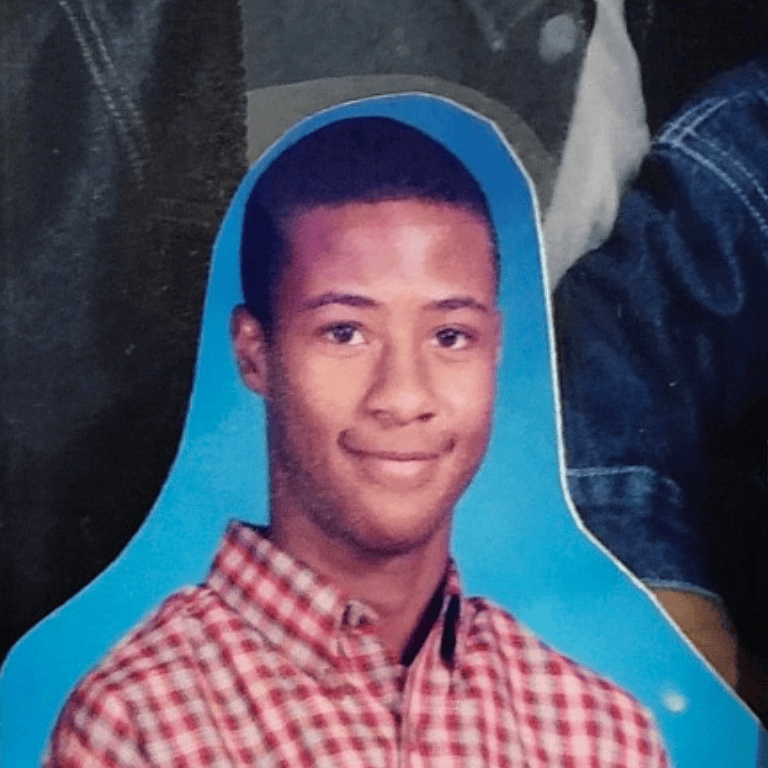
I’ve been a music journalist my entire life. I just didn’t know it. I had entire bookshelves stacked with composition books. Those composition books? They were full of my personal notes and reviews of artists, from Dru HIll to P.O.D., Limp Bizkit, Aaliyah, Backstreet Boys, to obscure one-hit acts like Debelah Morgan, and DJ dance music from the early 90’s to the mid-2000s. Over the years, my yearning for a solid artist who spoke to me, what I wanted to hear, and what I wanted to see grew after my favorite artist, Aaliyah, passed away. As time went on, and radio became less popular, music videos became less popular, and TikTok viral videos are the new TRL, I think I gave up.
I loved dance music of the 90’s. In the 2010’s the huge wave of dance music made me mad because I felt that much of it, it felt cheap. But many that grew up along with me, we listened to the same artists, the TRL, 106 & Park era kids. You’d be hard-pressed to find a mainstream r&b/pop artist today that isn’t influenced by that era. Yet not many can take the great things that worked from that era and reconfigure them into something that works today, in today’s climate. I’ve grown up with Tinashe. I’ve watched her take inspiration and create masterpieces time and time again on her terms.
Tinashe has been an active solo artist since 2012 and has dropped four mixtapes, one EP, countless singles and collaborations with a variety of artists across genres. Her eighth studio release, Popstar, dropped September 25, with 16 tracks, 39 minutes and 31 seconds. Yes, the tracks are the short standard that is the current norm. Yet she fits vibes, sounds, and aesthetics from all the many lives millennials like myself have lived through, and doesn’t water it down. A 1-minute song can feel like an entire world. She does a great job creating balance between current presence, current trends, and what she enjoys and is inspired by.
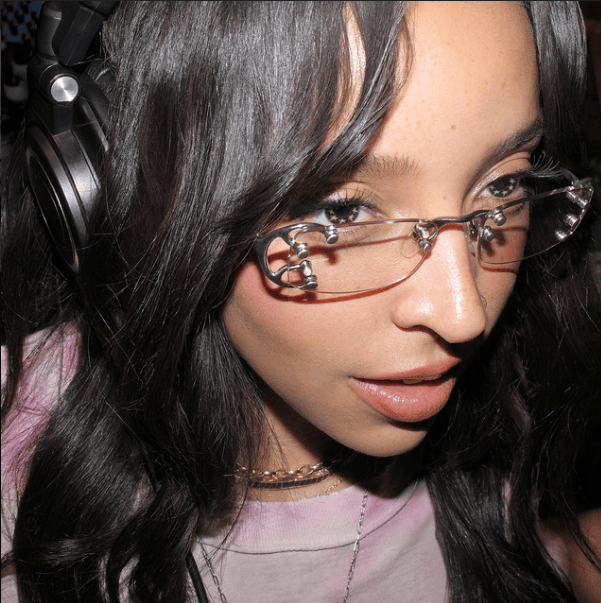
One song that stands out on the album immediately for me is Nobody Wanna Dance Anymore; it has such a familiar vibe to it, like I Love Rock & Roll; it’s got this country bop muted sound underneath. The first single, Too Easy, dropped with a video before release, with imagery that tells you exactly what Tinashe feels about how stars are treated and the life many like her choose. She codes a lot beneath lyrics or imagery. Always has, yet this album and era, being called Popstar, she’s able to explore these kinds of topics a bit more. Twentyfive Eight is a great example of grind culture and not feeling good enough. A great example of her being very aware and still doing something about that. She’s not an oblivious artist in any manner. That shows in her persistence. Melatonin blends pop, electronic, and r&b sounds with mixed chopped and screwed vocals, seemingly random throughout the 3-minute 42-second track- one of the longest on the entire album. Cloud 9 also has an amazing blend of electronic and pop sounds. Empty Stadium feels like a classic Tinashe r&b record exploring the thoughts: now that I have it, do I still want it?
How intricately experimental she is, as a self-proclaimed popstar, is amazing. But this is what is possible when you are in full control of your career. Tinashe is signed to her own label (after leaving RCA, if you know anything about that label, then you know…). She writes and produces. She is involved in every step of her career. To be such a prominent star in your own right on your own terms, and independently, is a story not many these days are able to tell. If you know Tinashe’s public struggle in this industry, then you know she should not still be here by a long shot. She is a testament to what you can be if you keep going, despite everyone saying you should give up.
Tinashe is probably the best public example of the struggle that artists have had this century as trends and technology have changed, and the way labels have responded to changes. As labels have shelved or divested from artists, they have watered down Black women and the music they create and reduced them to r&b, simply because they are Black. Tinashe, being biracial, has always pushed back on this. The industry tried to make her choose a box- R&B or pop. She chose neither. She chose to be whatever she wants. Her time with RCA- the majority of the music is not her, or a reflection of her artistry, and it’s clear. It’s the best example to compare an artist’s major label music to their own indie label music. The contrasts are profound. When T left RCA, she hit the ground running; her music became more frequent and of a higher quality, despite not having a huge budget from a major player.
333, released in 2021, was her first major studio album after her departure from RCA, and has become a classic album. 2023 brought us BB/ANG3L, 2024 was the era of match my freak, a viral hit with the song Nasty, which carried the Quantum Baby album. Popstar is meant to be a closeout to a trilogy, consisting of the prior two albums. The heaviness on concepts and themes is in part why I feel Tinashe is such a great popstar.
What is a pop star? Do these pop stars even want to be pop stars? Is it worth it? Tinashe seems to tackle these thoughts throughout the album while defining what and who she is at the same time. We will continue to get an ever-evolving artist with her music, and that is what I think a great Popstar should be.
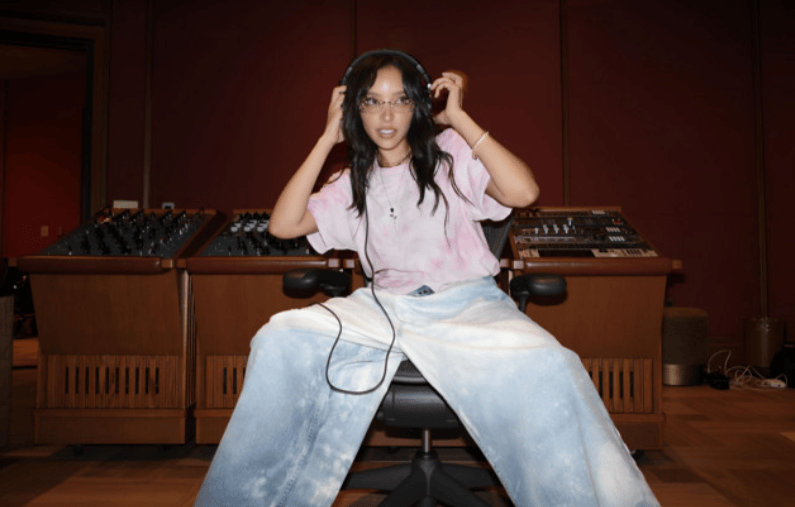
Tinashe is having a bit of a moment right now with all the hype around this album; I think it’s about time. This is her first top ten debut for any album release of her career. I’ve watched this artist release album after album, and each release was a pure masterpiece to me. From her early mixtapes like Reverie, In Case We Die, to Amethyst, she always redefines what r&b and pop can sound like. She doesn’t fit neatly into any box, nor does she want to be, but I personally think pop is, or should be, boundless. Because it should cover what could be seen as popular. Tinashe’s take on a Popstar is felt from her choreography to her lyrically conscious assessments of the industry and the systems the world runs on. She covers societal and personal topics with such a layered balance. One song can be an adventure through many different topics under a general umbrella. It’s refreshing to many who want dance bops with substance. Who wants the real truth about artists’ thoughts within the industry and the state of music.
Tinashe is the best example of how to succeed in today’s market on your own terms. What is an independent artist exactly? Because most independent artists do use distribution platforms to release music, social media for promotion, and other programs for production. Tinashe, while being on her own label, started partnering with a major distribution company to release and promote her music. I think she’s got a great sweet spot that can be a blueprint for others. What can an artist be when they fully invest in themselves and who they authentically are? They ARE the brand; therefore, they don’t have to pretend.
I admire Tinashe because I don’t think there’s anyone truly telling her what to do.






Leave a Reply